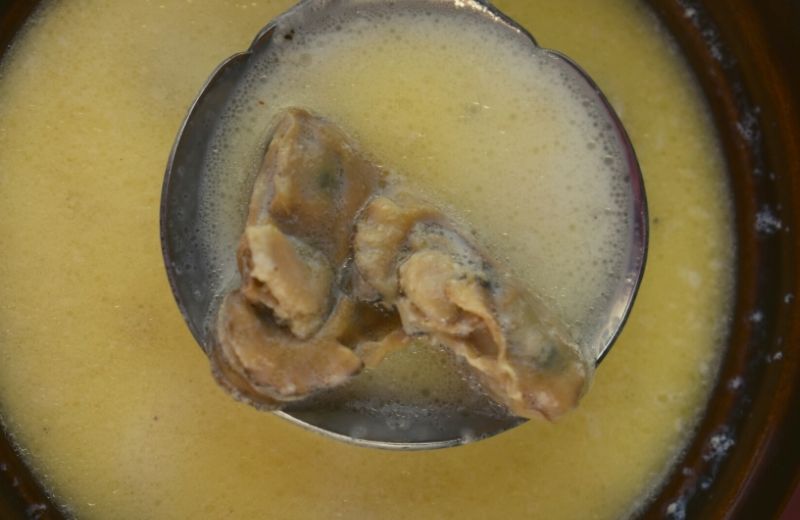
Grandma's Perfected Oyster Stew: A Timeless Holiday Tradition
There are certain aromas that instantly transport you back in time, to cherished moments and the warmth of family. For many, the gentle simmer of a creamy, briny oyster stew recipe is that very scent, especially around the holidays. It’s a dish steeped in tradition, particularly on Christmas Eve, offering a comforting embrace that feels both simple and profoundly special.
My own journey with this culinary gem began on the coast, watching my grandmother, a true kitchen alchemist, conjure her legendary oyster stew. It was more than just a meal; it was a ritual, a promise of comfort and connection. Years later, that tradition has become my own, a testament to the power of food to weave through generations. While my first attempts to recreate her magic were, shall we say, educational – rubbery oysters and scorched cream were frequent guests at my table – I’ve since dedicated myself to perfecting her timeless recipe. Now, it's a dish I turn to not only for nostalgic comfort but also to impress guests, effortlessly delivering a gourmet experience that belies its remarkably quick preparation time.
The Enduring Charm of a Classic Oyster Stew Recipe
What sets a truly great oyster stew apart from other seafood soups or heavier chowders? It’s its beautiful restraint. Unlike dishes laden with potatoes, bacon, or a plethora of vegetables that can overshadow delicate flavors, a classic oyster stew places the star of the show – the fresh oyster – squarely in the spotlight. Its elegance lies in the purity of a few key ingredients, expertly combined to enhance, not compete with, the natural brininess of the ocean's bounty.
The velvety, butter-enriched broth acts as a luxurious stage, allowing the oysters to truly shine. It's a symphony of flavors – the subtle sweetness of fresh cream, the rich depth of good butter, and the distinctive taste of the sea. This isn’t merely about satisfying hunger; it’s about savoring each spoonful, experiencing a culinary celebration of pure, unadulterated seafood essence. It’s comforting in its familiarity, yet always feels like a special occasion, making it the perfect centerpiece for holiday gatherings or a deeply satisfying weeknight indulgence. The simplicity, combined with the promise of a memorable flavor profile, is what makes Grandma's perfected best oyster stew recipe so enduringly popular.
Mastering the Art: Key Ingredients & Techniques for a Flawless Oyster Stew
Achieving the perfect oyster stew isn't about complexity; it's about precision and quality. The relatively short ingredient list means each component carries significant weight in the final flavor profile. Here's how to ensure your stew is nothing short of magnificent:
1. The Oysters: The Undisputed Star
- Freshness is Paramount: This cannot be stressed enough. Seek out the freshest raw oysters available. Look for plump, briny oysters with clear liquor. If shucking them yourself, do so just before cooking. If buying pre-shucked, ensure they are in their natural liquor and are consumed quickly. The natural "liquor" (the briny liquid inside the shell) is packed with flavor – do NOT discard it!
- Size Matters (Sometimes): While any fresh oyster works, medium-sized oysters tend to be ideal for stew, offering a good bite without being overwhelmingly large.
2. The Creamy Base: Richness Without Overpowering
- Milk vs. Half-and-Half vs. Cream: Some recipes call for whole milk, others for half-and-half, and some even heavy cream. Whole milk yields a lighter, more delicate stew, while half-and-half provides a beautiful balance of richness and body without becoming overly heavy. Heavy cream offers the most luxurious texture. For Grandma’s perfected version, half-and-half strikes the ideal balance, offering a velvety mouthfeel that still lets the oysters shine.
- Avoid Scorching: The cardinal sin of cream-based dishes! Always cook dairy over low heat. Dairy is sensitive to high temperatures and will curdle or scorch if boiled vigorously. Stir frequently to distribute heat evenly and prevent solids from sticking to the bottom.
3. The Aromatics & Seasoning: Subtle Enhancements
- Butter: High-quality unsalted butter is crucial for both flavor and that silky texture. It’s the foundation for sautéing your aromatics and enriches the broth.
- Green Onions (Scallions): Unlike yellow or white onions, green onions offer a milder, fresher onion flavor that complements seafood beautifully without overpowering it. Sautéing them gently in butter until tender extracts their sweetness.
- Salt and White Pepper: White pepper provides a subtle warmth and spice that black pepper can't replicate, without introducing black specks that can detract from the stew's pristine appearance. A touch of cayenne pepper, as Paula Deen suggests, can add a very gentle, almost imperceptible warmth that lifts the flavors.
4. The Perfect Timing: Don't Overcook the Oysters!
This is where many first-time oyster stew makers falter. Oysters cook incredibly fast. Overcooked oysters become tough, rubbery, and lose their delicate texture and flavor. The key is to add them at the very end and cook them just until their edges begin to curl – a process that often takes only a minute or two once the broth is hot. They will continue to cook slightly from the residual heat even after being removed from the stove.
A Step-by-Step Guide to Grandma's Perfected Oyster Stew
This easy creamy oyster stew comes together in under 30 minutes, making it an ideal choice for a busy holiday evening or a spontaneous craving for comfort.
Yields: 4-6 servings
Prep time: 10 minutes
Cook time: 15-20 minutes
Ingredients:
- 2 tablespoons unsalted butter
- 2-3 green onions (scallions), thinly sliced, plus extra for garnish
- 12 ounces undrained fresh raw oysters (shucked, with their liquor)
- 1 quart (4 cups) half-and-half (or whole milk for a lighter version, heavy cream for extra richness)
- ¼ teaspoon sea salt, or to taste
- ¼ teaspoon white pepper, or to taste
- ⅛ teaspoon cayenne pepper (optional, for a subtle kick)
- Crackers or crusty bread, for serving
Equipment:
- Heavy-bottomed saucepan or Dutch oven
- Whisk
- Fine-mesh sieve (optional, for straining oyster liquor)
Directions:
- Prepare Oysters: Carefully drain the oysters, reserving all the precious oyster liquor. If desired, strain the liquor through a fine-mesh sieve to remove any shell fragments. Set oysters and liquor aside separately.
- Sauté Aromatics: In a heavy-bottomed saucepan or Dutch oven, melt the butter over medium-low heat. Add the sliced green onions (reserving some for garnish) and sauté gently until they are tender and fragrant, about 3-5 minutes. Do not let them brown.
- Combine Liquids: Pour the half-and-half (or milk/cream) into the saucepan with the softened green onions. Add the reserved oyster liquor. Stir gently with a whisk to combine.
- Heat the Broth: Continue cooking over low heat, stirring frequently, until the mixture is hot and steamy, but not boiling. This is crucial to prevent scorching the dairy. You’ll see small bubbles forming around the edges. This process usually takes 8-12 minutes.
- Season: Stir in the salt, white pepper, and cayenne pepper (if using). Taste and adjust seasonings as needed. Remember, oysters are naturally salty, so start with less salt and add more if necessary.
- Add Oysters: Once the broth is hot, gently add the drained oysters. Continue to cook over low heat for just 1-2 minutes, or until the edges of the oysters begin to curl and they plump up slightly. Do not overcook! The moment they curl, remove the pot from the heat.
- Serve Immediately: Ladle the hot oyster stew into warmed bowls. Garnish generously with additional fresh sliced green onions. Serve immediately with your favorite crackers, oyster crackers, or a slice of crusty baguette to sop up every drop of that luscious broth.
Serving Suggestions & Making It Your Own
While Grandma's recipe is perfect as is, a few thoughtful additions can elevate the experience. Serve your oyster stew with classic oyster crackers or a hearty, crusty bread to scoop up the creamy broth. A sprinkle of fresh parsley or chives can add a touch of color and a fresh herbaceous note if green onions aren't enough. For those who enjoy a little extra richness, a pat of butter swirled into each serving bowl just before serving can make it even more decadent.
If you're feeling adventurous, a tiny splash of dry sherry (just a teaspoon per serving) stirred in at the very end can add a sophisticated depth of flavor, a trick sometimes employed in classic French seafood bisque recipes. Remember, this stew is about showcasing the oysters, so any additions should be subtle and complementary.
A Holiday Warmth That Lasts
Grandma's perfected oyster stew is more than just a recipe; it's a culinary legacy. It embodies the essence of holiday traditions – simplicity, comfort, and the joy of sharing something truly special with loved ones. Whether it's a Christmas Eve ritual or a cozy winter evening meal, this creamy, briny delight promises to warm both body and soul. Its quick preparation time belies its profound flavor, making it an accessible luxury for any home cook. So gather your freshest ingredients, embrace the tradition, and create new, delicious memories that will last a lifetime.
