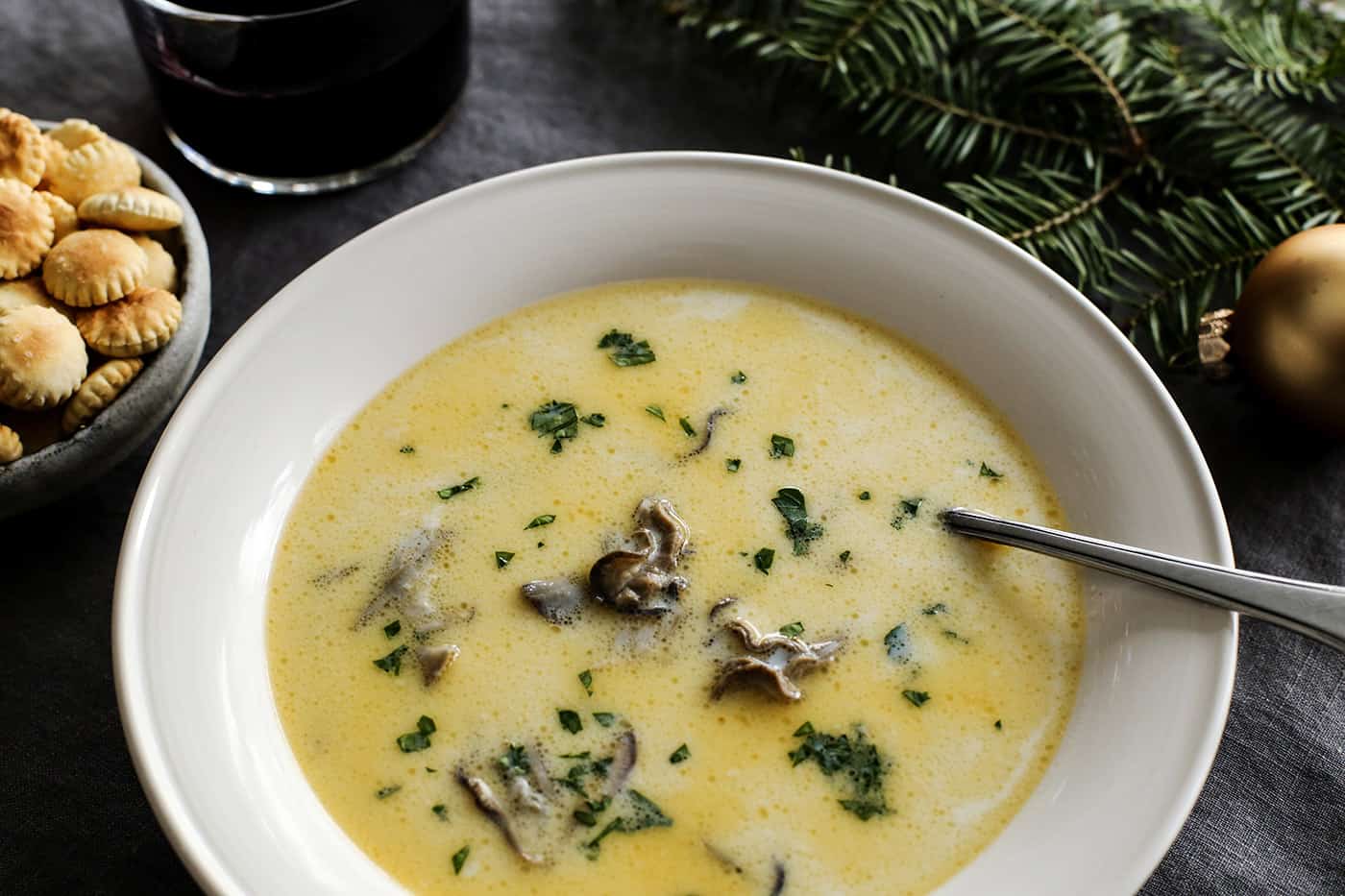
The Best Oyster Stew Recipe: Unlocking Rich, Fresh Seafood Flavor
There's a whisper of magic in a bowl of perfectly made oyster stew. For many, it's a cherished holiday tradition, a culinary hug on a chilly evening, or simply an elegant dish that evokes memories of coastal living and family gatherings. While some might shy away, believing it to be a complicated endeavor, the truth is that a truly exceptional
oyster stew recipe celebrates simplicity, allowing the delicate, briny essence of fresh oysters to truly shine. Forget heavy, loaded chowders; this is an experience of pure, unadulterated seafood bliss, brought to life with a velvety, butter-enriched broth that tastes like the ocean met the creamery.
Growing up, the aroma of simmering oyster stew signaled Christmas Eve in our home, a tradition passed down through generations. And while my early attempts at recreating this comforting dish were, shall we say, "educational" (think rubbery oysters and scorched cream!), I've since learned the subtle art of coaxing out its incredible flavor. This isn't just another seafood soup; it's a testament to the power of fresh ingredients and gentle cooking. Get ready to discover how you can master this timeless dish, impressing guests and delighting your palate in under 30 minutes.
The Magic of Simplicity: What Makes This Oyster Stew So Special?
What sets an outstanding
oyster stew recipe apart is its elegant restraint. Unlike a robust clam chowder brimming with potatoes, bacon, and a medley of vegetables, classic oyster stew places the spotlight firmly on the oysters themselves. This allows their natural brininess and delicate texture to be the undisputed stars of the show. The supporting cast—rich dairy, quality butter, and a touch of subtle seasoning—simply elevates and harmonizes these pure flavors, rather than overshadowing them.
The texture is paramount: a silky, luxurious mouthfeel that coats the palate beautifully. This is achieved through the careful balance of butter and cream (or milk), which adds richness without overwhelming the star ingredient. It's a dish that feels deeply comforting and special, yet requires surprisingly little fuss. The secret lies not in a long list of exotic ingredients or complex techniques, but in meticulous attention to detail and, crucially, the quality of your components. Every element, from the oysters to the dairy, plays a vital role in creating that truly memorable taste.
Crafting the Perfect Oyster Stew: Essential Ingredients & Expert Tips
To achieve the kind of deeply satisfying, fresh seafood flavor that defines the best
oyster stew recipe, don't skimp on quality. Each ingredient contributes significantly to the final outcome.
Key Ingredients:
- Fresh Raw Oysters (12 oz, undrained): This is non-negotiable. Look for fresh, shucked oysters in their liquor. If you're adventurous, buy them unshucked and shuck them yourself just before cooking for peak freshness. The liquor is gold – it adds immense depth of flavor, so be sure to include it.
- Butter (2 tablespoons): Use good quality, unsalted butter. It forms the base for sautéing and contributes significantly to the stew's velvety texture and rich flavor.
- Green Onions (2 chopped, plus additional for garnish): Provides a delicate oniony base without being overpowering, and a fresh, vibrant garnish.
- Whole Milk or Half-and-Half (1 quart): Your choice here impacts richness. Whole milk offers a lighter, still creamy stew, while half-and-half (or even a blend of milk and a touch of heavy cream) yields a more decadent, luxurious broth. Avoid low-fat dairy, as it tends to curdle more easily under heat.
- Salt (1/4 teaspoon): Enhances flavor. Remember oysters are naturally salty, so taste and adjust.
- White Pepper (1/4 teaspoon): Offers a clean, subtle heat without the visible flecks of black pepper, maintaining the stew's pristine appearance.
- Cayenne Pepper (1/8 teaspoon): This is optional but highly recommended. A tiny pinch adds a gentle warmth and complexity that truly elevates the flavor profile without making it spicy.
- For Serving: Crackers (oyster crackers are classic!), or crusty bread.
Expert Tips for Success:
- Freshness is King: Seriously, this cannot be stressed enough. The quality of your oysters directly dictates the quality of your stew. Buy them from a reputable fishmonger.
- Gentle Heat is Your Best Friend: This is the most critical technique for an amazing oyster stew recipe. Never, ever let your stew come to a rolling boil once the dairy is added. High heat will not only curdle the milk/cream but will also toughen and shrink your precious oysters into rubbery bits. Cook over low to medium-low heat, stirring frequently.
- Watch the Oysters, Not the Clock: Oysters cook incredibly quickly. The moment their edges begin to curl is your signal they are perfectly done. This usually takes just a few minutes in the hot broth. Overcooked oysters are a culinary tragedy.
- Mise en Place: Have all your ingredients prepped and ready before you start cooking. This recipe comes together so fast that you won't have time to chop onions or measure seasonings once you begin.
- Taste and Adjust: Oysters vary in salinity. Always taste your stew before serving and adjust salt and pepper as needed.
Step-by-Step Guide to Your Best Oyster Stew Recipe
This simple yet profound
oyster stew recipe comes together effortlessly, making it perfect for a weeknight treat or a special occasion. Follow these steps carefully, and you'll be rewarded with an unforgettable dish.
- Prep Your Aromatics: In a medium-sized heavy-bottomed pot or Dutch oven, melt 2 tablespoons of butter over medium-low heat. Add 2 tablespoons of chopped green onions and sauté gently until they are tender and fragrant, about 2-3 minutes. Do not let them brown.
- Introduce the Oysters and Their Liquor: Pour the undrained 12 oz of fresh raw oysters (including all their wonderful liquor) into the pot with the sautéed green onions. Stir gently to combine.
- Add the Dairy and Seasonings: Pour in 1 quart of whole milk or half-and-half. Add 1/4 teaspoon of salt, 1/4 teaspoon of white pepper, and the optional 1/8 teaspoon of cayenne pepper.
- Slow and Gentle Heating: Increase the heat slightly to low-medium. Stir the mixture continuously and gently, ensuring the bottom doesn't scorch. Your goal is to heat the stew through thoroughly without allowing it to boil. Steam will begin to rise, and the liquid will become very hot.
- Perfectly Cooked Oysters: This is the crucial moment. Keep a close eye on the oysters. As the stew heats, you will notice the edges of the oysters begin to curl and ruffle, and they will plump up slightly. This indicates they are cooked to perfection. This typically takes only 3-5 minutes from when the dairy is added.
- Serve Immediately: As soon as the oysters are cooked, remove the pot from the heat. Ladle the hot oyster stew into bowls. Garnish generously with additional sliced fresh green onions. Serve piping hot with your favorite crackers or a slice of crusty bread.
Beyond the Bowl: Serving Suggestions & Variations
A classic
oyster stew recipe is a meal in itself, but a few thoughtful touches can elevate the experience even further. Traditional oyster crackers are the perfect accompaniment, offering a satisfying crunch against the creamy broth. For a heartier option, a warm, crusty baguette or a slice of sourdough bread is excellent for soaking up every last drop of the flavorful liquid.
Consider pairing your oyster stew with a light, crisp white wine, such as a Sauvignon Blanc or a dry Muscadet, which will complement the seafood beautifully without overpowering it. A simple green salad with a light vinaigrette can also provide a refreshing counterpoint.
While the beauty of this stew lies in its simplicity, you can experiment with subtle variations once you've mastered the basic recipe. A very small dash of dry sherry or vermouth added with the dairy can introduce an extra layer of sophisticated flavor. For a slightly different aromatic profile, try adding a tablespoon of finely minced celery along with the green onions in the initial sauté. Just remember to keep any additions minimal to let the oysters remain the star.
Reheating Tip: If you have leftovers, reheat oyster stew very gently over low heat on the stovetop, stirring frequently, just until warmed through. Avoid boiling, as this will toughen the oysters and potentially curdle the dairy.
Conclusion
This quintessential
oyster stew recipe is more than just a meal; it's a testament to the idea that some of the most profound culinary pleasures come from honoring fresh ingredients with simple, thoughtful preparation. From its humble origins as a coastal tradition to a revered holiday staple, the delicate balance of briny oysters, rich dairy, and fragrant butter creates an experience that is both deeply comforting and elegantly sophisticated. By focusing on fresh, high-quality ingredients and mastering the art of gentle heat, you can recreate this magical dish in your own kitchen with confidence. For more insights into this beloved dish, explore our article on
Easy Creamy Oyster Stew: Classic Comfort in Under 30 Minutes, or delve into the heartfelt origins with
Grandma's Perfected Oyster Stew: A Timeless Holiday Tradition. Embrace the simplicity, savor the freshness, and enjoy every spoonful of this truly best oyster stew.